


Hello Hansel Pixel, can you tell us more about the person behind this pseudonym?
I am an "average Frenchman," born in the 80s. I don't share much about my private life, because 99% of my work is illegal.
I can only say that I'm married to a wonderful woman, truly patient and very supportive. It's important to remember that when someone is creating art in the street at 2 a.m., there's almost always a wife, husband, sister, or mother at home, looking after the children and worrying.

And what about your choice of pseudonym?
I know this interview isn't about my wife, but she's the one who suggested my pseudonym. We were looking for a name that rhymed with "pixel," and she proposed "Hansel & Pixel." I thought it was almost perfect, especially because in the "Hansel & Gretel" story, the children leave pebbles so they don't get lost. That's basically what I do when I lay my tiles in the street. The "&" implied that there were two of us, but I work solo. So I chose "Hansel Pixel."

What was your first contact with urban art?
As a child, I had many questions about tags and graffiti in the street, especially on trains and along railway tracks. I thought graffiti artists had guts. I knew it was part of hip-hop, and I immediately fell in love with this culture and its values: peace, unity, respect, fun.

What made you want to get started?
In 2002, I started doing graffiti because of the rise of the far right in France. I was a teenager, I couldn't vote, and writing on walls seemed like the best way to say, "Hey, guys, the youth are angry." I was also a fan of hip-hop culture, so graffiti quickly became the obvious choice. I wanted to see my name everywhere; it was almost obsessive.
After 7 years, I stopped: a friend was seriously injured while painting a train.
Almost 15 years later, the far right feels more comfortable than ever. I've gotten older, but I still have the same rage. Graffiti has become too risky: painting a mural takes time, so the chances of getting caught are high. There are cameras everywhere, and my family life would be in danger if I went out at night to paint walls.
A year ago, I visited Invader's exhibition in Paris. That's when I knew this medium was perfect: fast, legible, appreciated, but still a little subversive. I love the phrase "the medium is the message." My works aren't rebellious in themselves, but the simple fact that someone takes the time to place an unsolicited object in the street is already something.
Today, the only images visible in the city are advertisements and billboards. Street art is a surprise, an incongruity. I want people to ask themselves, "Why? Who? When?"

If you had to define your style in 3 words?
Surprising: I want people to be amazed. It could be an animal, a rocket, a toy… something unexpected.
Authentic: I design my own models. Pixel art It's often a rehash of existing sprites, but I want to avoid that. I don't want people to say, "Hey, a funny Pokémon!" Others are already doing that very well.
Fun and games: I love creating scavenger hunts with my mosaics. “ In The Woup ” did one in the Montorgueil district of Paris, it was brilliant. I also have challenges in Clermont-Ferrand, Lille, Paris…

Can you tell us about your creative process?
When I have an idea, I write it down on my phone. I have over 20 pages of notes!
There are two types: solo pieces and series. I plan the series several weeks in advance: choosing the city, theme, sketching on the 8bit Painter app, buying tiles.
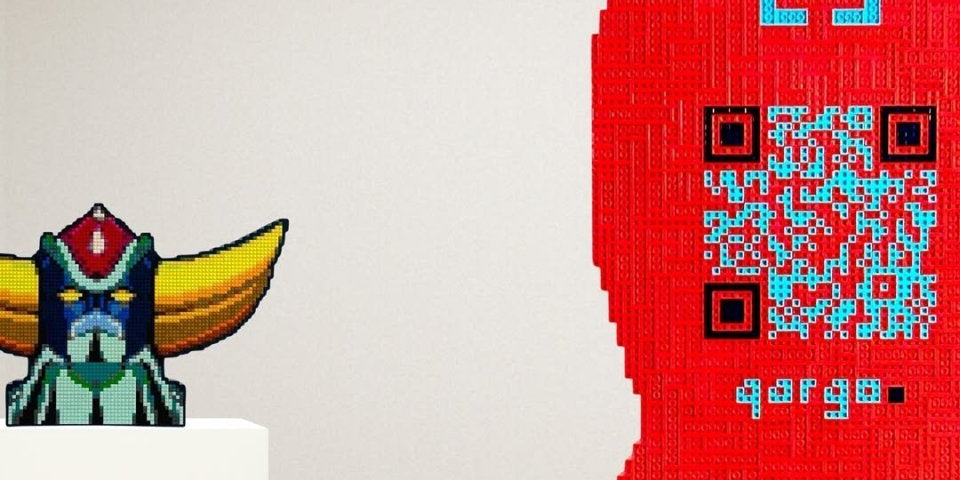
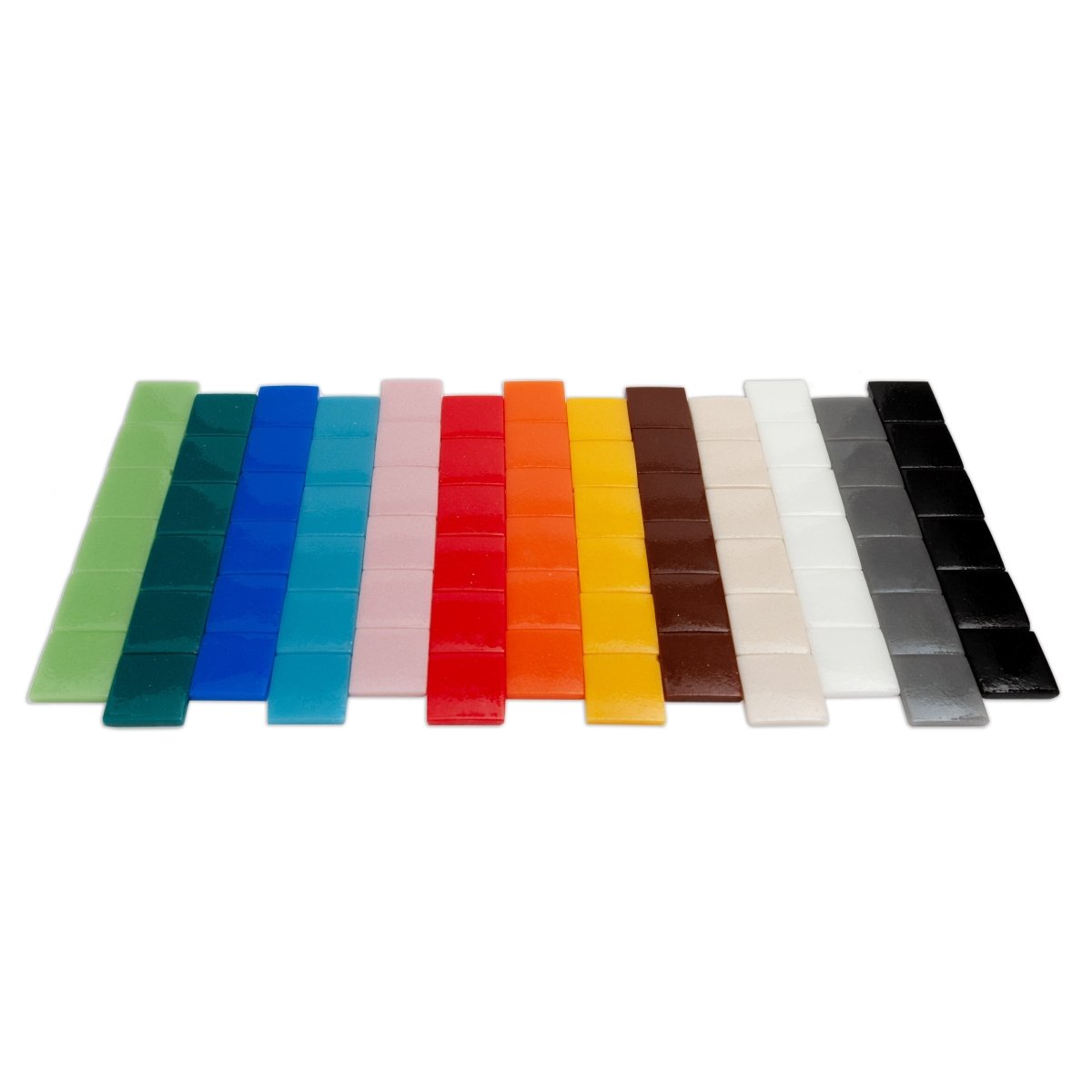
The longest part: assembling the tiles one by one on a plastic film, then gluing everything together to form a solid piece.
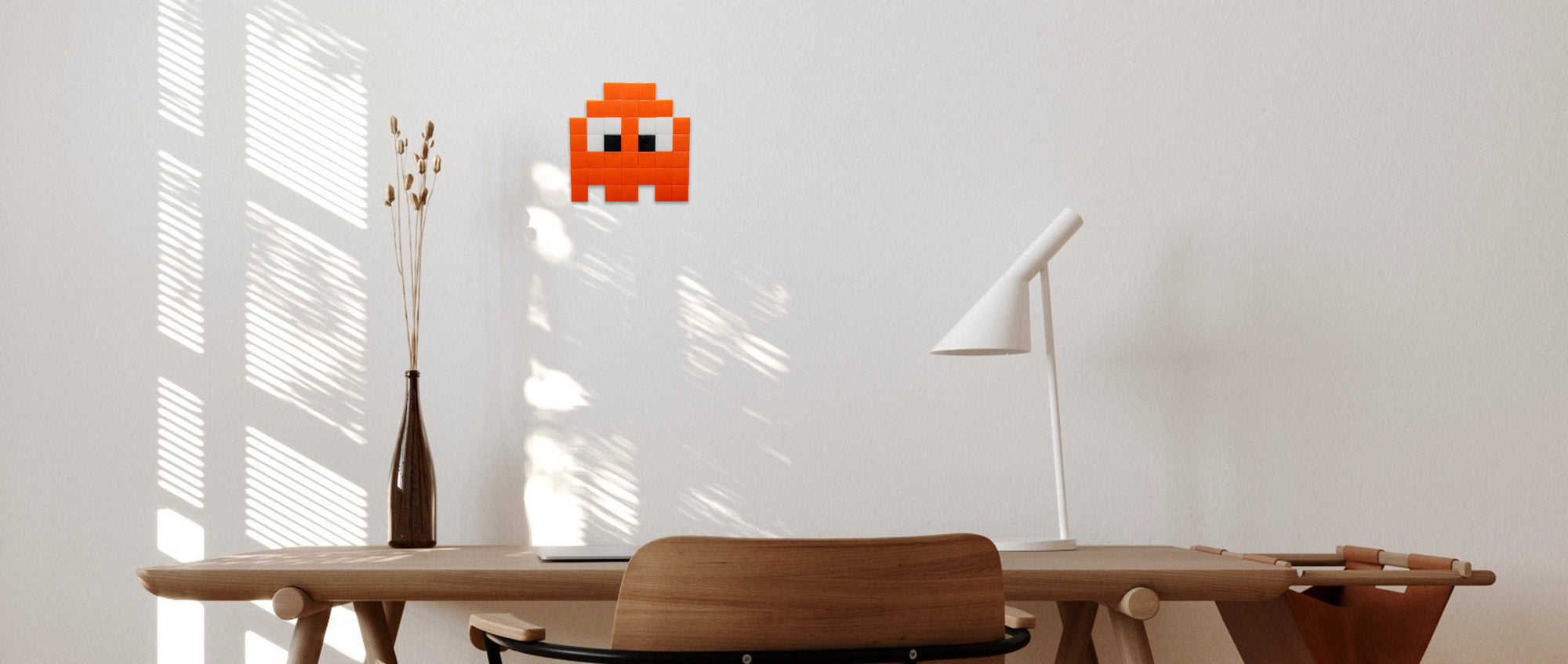
Each piece is a challenge: I want it to be beautiful, but not too cluttered with tiles or colors. The tiles are laid like pixels (opus tessellatum). I avoid large monochrome areas; I find them boring.

What are your main sources of inspiration?
Children's books, very colorful. And my family and friends: I often ask them what they'd like to see appear on the street. Sometimes, the name of the street or a shop directly inspires an idea.

The ideal spot to paste up a work of art?
The bricked-up windows perfectly frame my artwork. I also love thick walls for rooms that are 3 meters wide! And in small towns, electrical transformers are perfect (you can find their location on the Enedis map 😉).

Do you remember your first mosaic?
A heart with my wife's initial, stuck to a concrete post near her parking space. I'd bought exactly 50 red tiles and 9 white ones. That was two years before things got serious for me. Now I buy dozens of kilos of tiles…

Which cities and countries have you “invaded”?
I don't like to say "invaded," often there's only one piece per city. But otherwise: Strasbourg, Reims, Lille, Paris, Clermont (Oise), Calella de Palafrugell, Castres, Mazamet.

Do you know how many mosaics you've laid?
97 to date. Only one has been removed.
Your favorite mosaic?
Those linked to an anecdote. In Montmartre, I stuck up a rocket at 11 a.m., freaked out about seeing the police. Two passersby stopped, talked to me, loved the piece. They were street art fans, it was a great moment.

A bad experience?
Yes: I was stopped by the police at midnight. I was on a ladder. They didn't take me to the station but made me take down my 600-tile mosaic. They told me they liked it, but they had no choice… and that I would have to install it during the day.

What are your plans for this year?
25 mosaics in Strasbourg, 10 in Amiens, a few in Catalonia this summer. Back to Lille in November (5 pieces), and perhaps 10 in Toulouse also in November.
And two brand new ideas that I'm keeping secret for now!
What's your wildest dream?
Having enough time to realize all my ideas. Another 60 years should be enough 😄
Which artist would you like to see interviewed in the next profile?
Mr. Djoul or Florist . Two artists I really like!
Where can we follow you?
Instagram: @hanselpixel